ICSE Factory at the Excite Conference in Warsaw, Poland

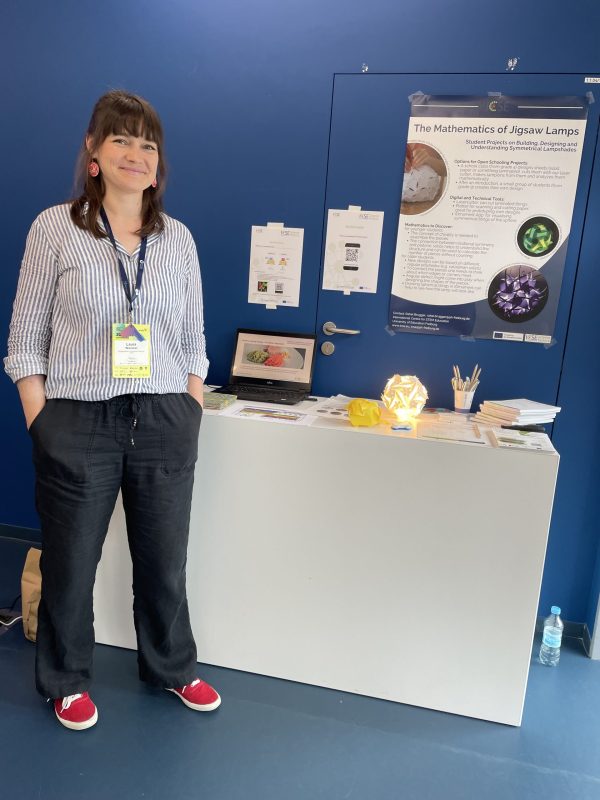
Laura Wanckel at the ICSE Factory booth.
Laura Wanckel from the ICSE Science Factory project actively engaged with participants through two networking activities designed to foster dialogue and establish connections. A prominent feature was a scenario-based role-playing exercise, encouraging attendees to assume various perspectives—such as school leaders, museum staff, parents, and local authorities—to collaboratively create Open Schooling solutions that address real-world issues. Additionally, a “gallery walk” highlighted practical applications of Open Schooling projects, providing visitors with interactive experiences, tools for engagement, thought-provoking questions, and narrative elements.
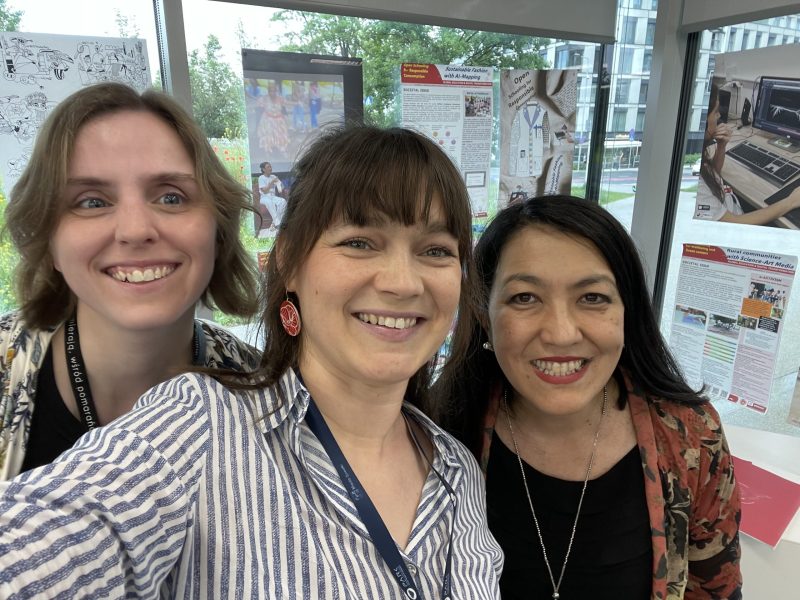
Open Schooling collaborators building lasting partnerships.
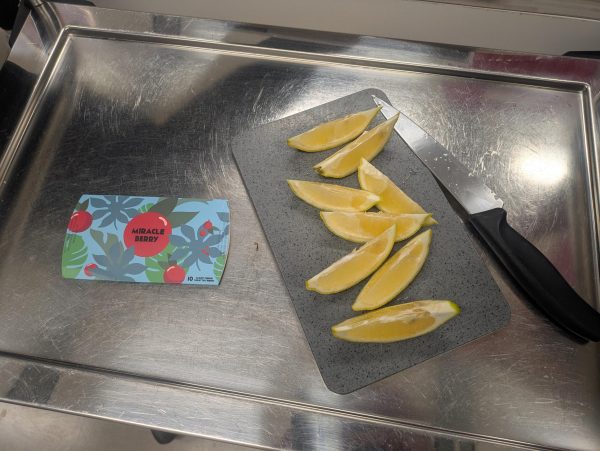
The miracle berry makes sour things taste sweet.
Sharing ICSE Factory Best Pratices
During these activities Laura Wanckel shared how the ICSE Factory brings together teachers, students, researchers, and community partners from across Germany, Croatia, Cyprus, Portugal, and Turkey to co-create hands-on activities, interdisciplinary workshops, and open schooling projects. The project team’s goal? To make science education more relevant, inclusive, and connected to real life, with a focus on sustainability, health, and digitalization.
During the gallery walk, Laura presented three powerful examples of open schooling in action:
- Dysphagia Cooking: In this project, students used molecular gastronomy to create dysphagia-friendly meals for care home residents, bridging chemistry, culinary science, and social care.
- Designing Jigsaw Lamps: A creative STEM-meets-art project where students designed modular lamps using Catalan solids and digital plotters, learning geometry, iteration, and design thinking along the way.
- PET Journey: A sustainability-driven project turning PET waste into 3D-printed toys, engaging young learners in the full recycling chain while building awareness and advocacy.
As an interactive highlight, Laura invited participants to try the miracle berry, which makes sour foods taste sweet, providing a fun way to start discussions on sensory perception, chemical processes, and the real-world applications of molecular cuisine in healthcare.
Key Reflections on Open Schooling
Participants showed strong interest in Open Schooling as a dynamic and socially relevant educational model. Many appreciated how the projects create opportunities for creativity, local partnerships, and community-based learning. There was a widespread belief that Open Schooling is not just a passing trend but a significant development in European education.
A crucial insight centered on the importance of time for educators: “Time is vital, especially for teachers. For these projects to succeed in the long term, schools need time and structural space to integrate Open Schooling into the curriculum.” This reflection underscores the need for systemic support to achieve lasting impacts and to ensure educators have the necessary resources.
Laura Wanckel’s concluded: “The enthusiasm for open schooling is real; now policy, planning, and time are needed to make it part of the educational fabric.”
Find out more about the event, watch video interviews of participants and learn more about the Open Schooling together community:
