
Basic Information
- Interdisciplinarity: Physics, Biology, Environmental Science
-
Topic(s): Digitalisation / Green Deal
- Duration: 6 months
- Target Age Group: 15–17 years old
- Partners Involved: Lanitio High School/CPI/UNIC
Summary
The “Thermal Heat Island” activity aimed to engage students in investigating the environmental phenomenon of urban heat islands through real-world data collection and analysis. By using digital sensors to measure temperature variations across different locations such as urban, suburban, and rural areas, students explored how the different location characteristics influence local climate conditions. The activity encouraged active participation, scientific inquiry, and critical thinking, while also promoting environmental awareness. It was designed as a collaborative initiative between educators from a public school, and external partners, with students sharing their findings at a science fair, conferences, and school exhibitions.
Description of the implementation process of the activity
The implementation of the “Thermal Heat Island” activity spanned a period of six months and began with an introductory phase led by the project team. During this phase, the team visited the participating schools to present the overall aims and scope of the ICSE Science Factory project. These visits served as a foundation for relationship-building and created a shared understanding of the project’s goals among students and teachers.
As part of the co-design approach, students were given the opportunity to brainstorm and propose themes related to science and their local environment. Through guided discussions, they selected the topic of Urban Heat Islands as a meaningful and relevant area to explore. This participatory element increased their sense of ownership and engagement from the outset.
Following the preparation phase, students were introduced to the objectives of the activity and organized into small working groups. They identified specific locations in their communities (urban areas, schoolyards, parks, and rural surroundings) where they would measure and compare temperature variations using portable sensors and data loggers. Measurements were taken at various times of day, over multiple days, to ensure reliable data.
As a key milestone, students analyzed their collected data by creating visual representations such as charts and graphs. These were used to draw conclusions about the factors contributing to urban heat accumulation and to reflect on potential mitigation strategies. Discussions were facilitated by teachers, helping students connect their findings to broader environmental and societal challenges.
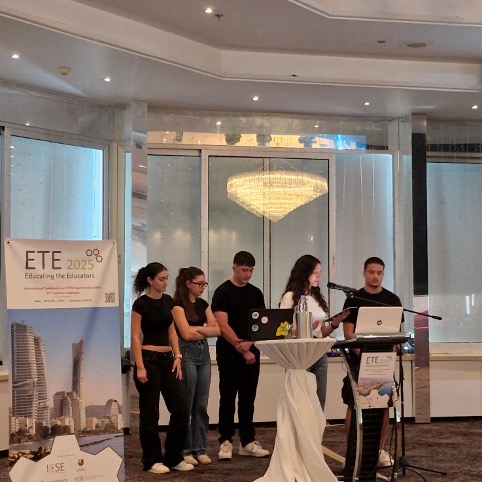
The final months focused on preparing students to share their results in public forums, including science fairs, school events, and local environmental conferences. This phase emphasized communication skills and fostered a sense of scientific contribution and civic engagement.
Throughout the process, student engagement was maintained through hands-on exploration, the relevance of the topic to their own communities, and the opportunity to showcase their work to authentic audiences. The use of digital tools and active inquiry proved particularly effective in sustaining interest and deepening understanding.
Strategies to win schools
To successfully engage the school in the activity, a multi-pronged strategy was employed, combining personal outreach, targeted communication, and practical support. The following approaches were particularly effective:
- Direct Outreach and School Visits
At the start of the project, the ICSE Science Factory team organized in-person visits to participating schools. These visits were crucial for introducing the project’s aims and scope, establishing trust, and initiating dialogue with school leaders, teachers, and students. By engaging schools early in the planning phase, the team created a sense of shared ownership and enthusiasm for the activity. - Co-Design with Students and Teachers
Rather than imposing a predefined activity, the project allowed students and teachers to co-develop the theme based on their interests. This participatory approach was presented as a key feature during outreach, which made the offer more appealing to schools by emphasizing flexibility, creativity, and student agency. - Support Through Equipment and Training
A major incentive for the school was the provision of technological equipment (e.g., temperature sensors). - Visibility and Recognition Opportunities
The school was informed that students would have the chance to present their findings at science fairs, conferences, and local community events. This opportunity for public recognition was a strong motivator for school participation, as it aligned with their goals for student achievement and visibility. - Communication and Promotional Materials
Clear, well-designed informational materials were distributed to the school, explaining the purpose, timeline, and benefits of the project. These materials included examples, of activities from our partners in the project.
Schools support
Throughout the implementation of the Thermal Heat Island activity, a structured and multifaceted support system was established to ensure that participating schools had the necessary resources, knowledge, and guidance to successfully carry out the Open Schooling Activity.
- Provision of Technological Equipment
Each participating school was equipped with digital temperature sensors and data loggers. These were essential for conducting accurate and meaningful environmental measurements. Instructions for safe and effective use were provided alongside the equipment. - Ongoing Mentoring and Communication
Continuous communication between the project team and the schools was maintained throughout the six-month duration. This included:
- Scheduled check-ins (via email and video calls)
- A designated contact person from the project team for each school
- Troubleshooting technical or logistical issues as they arose
- Sharing progress updates
- Mentoring was individualized and responsive to the school’s pace and specific needs. Teachers were encouraged to share feedback regularly, which helped refine the support provided.
- Recognition and Motivation
Schools were supported in preparing students for public dissemination of their results. The project team helped coordinate their participation in science fairs and events, providing logistical assistance and visibility for their efforts. This recognition motivated students and validated teachers’ work. - Post-Implementation Support
After the conclusion of the activity, schools were given suggestions for follow-up activities and ways to further integrate environmental science themes into their curriculum. Opportunities for continued collaboration with the ICSE Science Factory network were also offered. - Key-success factors
The successful implementation of the Thermal Heat Island activity can be attributed to a combination of well-planned coordination, meaningful stakeholder engagement, and hands-on, student-centered learning. Several strategic and operational elements were particularly critical:
- Early and Transparent Planning
The project team’s proactive approach (beginning with in-person school visits and a clear presentation of the project’s aims) laid a strong foundation of trust and mutual understanding. Early involvement of both teachers and students in the brainstorming and topic selection process gave participants a sense of ownership that significantly enhanced their motivation. - Co-Design and Relevance of the Topic
Allowing students to contribute to the design of the activity, and ultimately choose the theme of Urban Heat Islands, ensured that the topic was meaningful and contextually relevant. This student-driven approach enhanced engagement and supported deeper learning by linking science to real-life experiences. - Effective Resource Management and Support
The provision of technological tools (sensors and data loggers), ensured that schools were well-equipped and confident to carry out the activity. The balance between independence and structured support enabled schools to adapt the activity to their own context without losing direction. - Ongoing Mentoring and Responsiveness
A continuous mentoring model, with dedicated points of contact, regular check-ins, and prompt troubleshooting, ensured that any emerging challenges were addressed swiftly. This responsive communication helped build strong relationships with teachers. - Public Presentation Opportunities
Providing students with the opportunity to share their results at conferences, science fairs, and public events added an authentic purpose to their work. This visibility not only motivated students but also reinforced the value of the activity to school leaders and parents, strengthening school commitment.
Challenges
The main challenge encountered during the implementation of the Thermal Heat Island activity was related to time constraints within the formal school schedule.
Context and Impact:
Due to tight academic calendars, marked by exams, holidays, and curriculum demands, it was often difficult for teachers to allocate sufficient time within regular lessons for the full implementation of the open schooling activity. This occasionally delayed certain phases, such as data analysis and preparation for dissemination events.
Response and Resolution:
To manage this, the project adopted a flexible timeline, encouraging the participants to adapt the activity based on their availability. However, a notable and encouraging response came from the students themselves: many were willing to extend their involvement beyond regular school hours, working on data collection, analysis, and presentation preparation during after-school sessions. This voluntary engagement highlighted their strong interest in the topic and sense of ownership over the project.
Lesson Learned:
While time constraints remain a structural barrier to integrating open schooling into formal settings, this experience revealed that when science activities are meaningful and connected to students’ interests and real-world contexts, engagement increases to the point that students are willing to invest their personal time. Future open schooling initiatives, could build on this by creating optional after-school or hybrid models and by initiating earlier discussions with school management to secure time blocks during the school year.
Outcomes
The Thermal Heat Island activity resulted in several meaningful outcomes for both students and schools. Through active participation in real-world scientific inquiry, students not only developed research and data analysis skills but also gained a deeper understanding of environmental issues affecting their own communities.
Students expressed their gratitude for the opportunity to participate in a project that allowed them to take on the role of young researchers. Many reflected on how the experience made science feel more accessible, relevant, and empowering. In their own words, they appreciated “doing real science that matters” and “getting to work like scientists outside the classroom.”
One of the most significant indicators of success was the students’ desire to extend their work beyond the initial scope of the activity. Several groups expressed interest in using their data for a potential publication or school-based report and proposed further collaboration with scientists from the Biology Department to explore the implications of urban heat islands for human health such as heat stress, pollution exposure, and vulnerable populations.
Teachers also reported increased student engagement, especially among those who do not typically identify with science subjects. They observed improved teamwork, communication, and critical thinking skills.
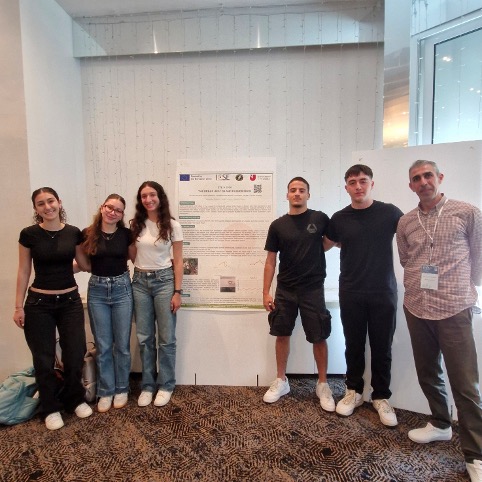
The presentations held at public events and science fairs were well received and gave students a platform to share their findings with the wider community, reinforcing their confidence and their role as contributors to public knowledge.
Reflective Remarks
The Thermal Heat Island activity offered valuable insights into both the potential and the challenges of implementing open schooling approaches within formal education settings. One of the most significant reflections emerging from this activity is the power of student agency and contextual relevance in driving engagement. By allowing students to participate in the decision-making process and select a topic closely connected to their environment, the project fostered a sense of ownership, curiosity, and responsibility.
Another key takeaway is the importance of flexibility in both design and implementation. While structural constraints such as limited curriculum time posed real challenges, the willingness of students to extend their participation beyond school hours demonstrated that when science speaks to students’ realities, they are motivated to engage deeply and meaningfully. This reinforces the need for future initiatives to remain adaptable and responsive to school contexts while maximizing opportunities for voluntary, interest-driven learning.
The collaborative dynamic between schools and the project team proved essential. Regular communication, personalized mentoring, and timely support ensured that educators felt supported throughout the process, while students benefited from a structured yet open learning environment.
Moreover, the activity highlighted the value of bridging school science with the broader community. Opportunities for students to present their findings publicly not only elevated the quality of their work but also contributed to a wider dialogue around environmental issues, positioning students as active contributors to community knowledge.
In summary, the Thermal Heat Island activity demonstrated that open schooling can thrive when rooted in student interests, supported by flexible structures, and enriched by collaboration. It serves as a reminder that meaningful science education extends beyond the classroom and that young people are eager to participate when given the chance to explore real-world issues through hands-on inquiry.
