Welcome to the ICSE Science Factory

Our Open Schooling project on the topics of sustainability, health and digitalization

Welcome to the ICSE Science Factory, an EU-funded initiative dedicated to making science accessible and engaging for all. Our mission is to ignite interest in science through innovative approaches that connect it to everyday life.

Collaborating with experts from Germany, Croatia, Cyprus, Portugal, and Türkiye—including universities, researchers, companies, and community educators—we are committed to three key goals:

  1. Enhance Access to Science Education: We provide resources, outreach programs, and activities that make science learning exciting and relatable.
  2. Encourage Science Careers for Young People: We specifically focus on inspiring young girls and women to pursue rewarding careers in science and technology.
  3. Promote Collaboration for Societal Benefit: We foster partnerships that address real-world challenges and societal needs through scientific collaboration.

You are currently viewing a placeholder content from YouTube. To access the actual content, click the button below. Please note that doing so will share data with third-party providers.

More Information

What we offer: 

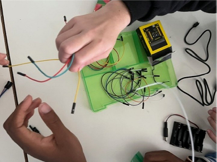
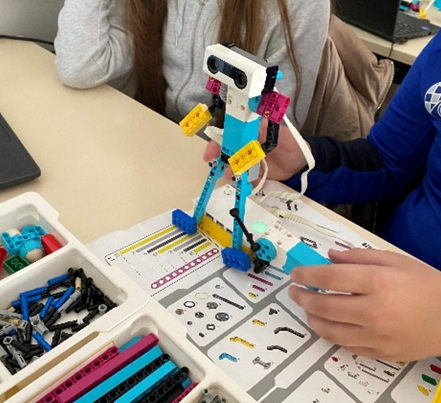
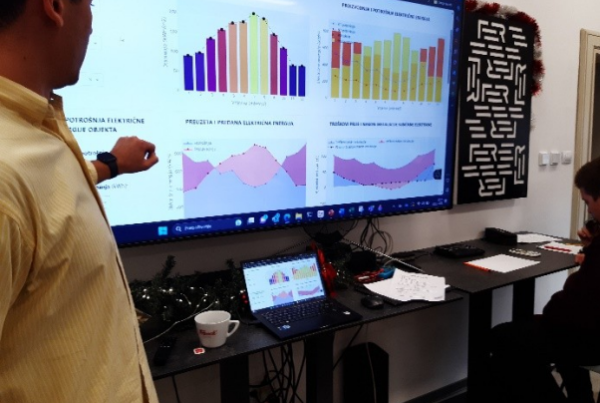
  • Open Schooling projects: We bring together teachers, students, and professionals to tackle real-world challenges.
  • Workshops: Connect with your community through hands-on science activities.
  • Career Talks: We showcase inspiring figures in science, helping to motivate the next generation.
  • Conventions and fairs: Participate in events that unite local efforts and highlight the importance of science in our lives. The following videos showcase how our Open Schooling initiative comes to life in our projects.

You are currently viewing a placeholder content from YouTube. To access the actual content, click the button below. Please note that doing so will share data with third-party providers.

More Information

We operate at three levels: community, regional, and European. Locally, schools serve as hubs for projects; regionally, we share experiences through conventions and fairs; at the European level, we create Communities of Practice and culminate with the ICSE Science Conference, uniting our network.

Success is measured by improvements in scientific literacy, attitudes towards science careers, and sustainability awareness. We gather insights through surveys and case studies across five countries to adapt and enhance our activities.

Although the ICSE Science Factory project has ended, the ideas, materials and partnerships developed during these fairs continue to inspire new activities. If you are interested in similar approaches, please contact us: laura.wanckel@ph-freiburg.de

Open Schooling Book:

  • We are delighted to announce that the ICSE Science Factory – Open Schooling Activities book has officially received its ISBN and is now available online! This open-access publication offers concrete, transferable examples of Open Schooling practices developed across Europe as part of the Horizon Europe–funded ICSE Science Factory project.


ICSE Factory Project News

ICSE Science Factory Events

Subscribe to our Newsletter

You can subscribe to our newsletter if you want to stay up to date. We will send you the latest project updates and information about upcoming events directly to your inbox twice a year.

SIGN UP NOW

What is Open Schooling?

Collaborations between Students and the Community

What is Open Schooling all about?

In running Lighthouse Activities and supported Open Schooling activities we provide collaborative science learning opportunities for all citizens at a local level.

We support schools in opening up and networking with external partners. In the Open Schooling projects, school classes work together with other members of their community on an equal footing: Families, science education providers, citizens, businesses and interested citizens. Together they tackle socially relevant topics like sustainability, health and digitalization to eventually find concrete solutions to real-life problems at school, in their city or region.

Open Schooling Resources

Learn how to start your own project

Getting Started!

If you are planning similar activities or would like to learn more about Open Schooling, mentoring, or partnership development, please contact us: laura.wanckel@ph-freiburg.de

If you are located in one of the participating countries, you can also contact your local project team directly.

How does it work?

We collaborate with partner schools and experts from science, companies and non-formal education providers. Together our Science Factory team creates regional networks and designs various innovative and creative hands-on activities.

Schools run activities with the support of mentors from local partnerships, including enterprises or community members versed in science. These mentors use their expertise to guide teachers, students, and external participants through their Open Schooling projects.

The aim of these projects is for students and citizens to work together scientifically in order to develop regionally feasible solution approaches. The acquired knowledge is then delivered back to the community via short video clips, pictures, posters, flyers, newspaper articles, etc.

Open Schooling Projects

More Resources on Open Schooling: MOST and EOSNet

In our prior Open Schooling project MOST, we collected a lot of experience and knowledge that we want to share with you. On our MOST project website you can find practical information like a manual to plan and perform School-Community-Projects, pedgagogical guidelines and more. Moreover, you can find information about our European Open Schooling network. You can also join our network and become part of the wider Open Schooling Together initiative that connects Open Schooling projects throughout Europe.

Watch this video to learn how to implement School-Community-Projects (Turkish language with English subtitles):

You are currently viewing a placeholder content from YouTube. To access the actual content, click the button below. Please note that doing so will share data with third-party providers.

More Information

Lighthouse Activities:
Illuminate, Educate, Innovate!

Exploring Real-World Issues through Workshops

Let’s explore and address real-world issues through our engaging lighthouse activities (i.e., workshops). Designed for all age groups, these activities dive into global challenges, from seeing how climate change affects our local forests to understanding the latest in health and tech innovations.

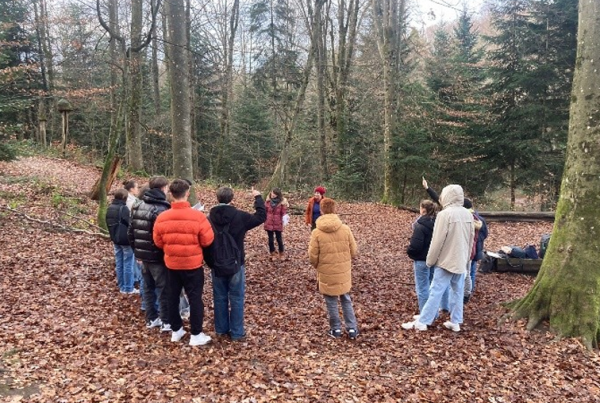
  • Walk through local forests to see firsthand the effects of climate change, examining trees’ biological properties and the fascinating science of water transportation within them.
  • Learn about today’s important questions, like “How does a new vaccine work in our bodies?”, giving everyone a peek into cutting-edge science.
  • With both online and in-person options, everyone can join in, no matter what.

Become a lifelong learner!

If you are planning similar activities or would like to learn more about Open Schooling, mentoring, or partnership development, please contact us: laura.wanckel@ph-freiburg.de

If you are located in one of the participating countries, you can also contact your local project team directly.

Contact us now!

Bringing Science Closer to Everyone

With the help of our community partners, experts in hands-on learning, these activities make science fun and approachable. Their unique style encourages everyone, even those who might think science isn’t for them, to give it a try. It’s a fresh twist that adds to the more structured ways we usually learn from schools or businesses, reaching out to new groups of people.

Who’s It For?

Everyone, from families to senior citizens! And there’s more – we also inspire schools to take up similar projects. Imagine a school community coming together to learn about smart shopping, and later sharing tips with neighbors. Or getting creative with old clothes, turning them into art pieces or even school gear. There’s so much to discover!

Lighthouse Activities

ICSE Science Factory Events

Connecting partners across Europe: Communities of Practice

ICSE Science Factory offers a range of events tailored to engage and inspire different groups:

  • Interactive Career Talks for Schools: Ignite your students’ passion for science and science careers, especially for young women!
  • Local Conventions: Connect with schools, researchers, policymakers, and other stakeholders in your area. These conventions foster collaboration and spark innovation, bringing together minds to create positive change.
  • Local Public Fairs: Everyone is welcome! Join us to explore the goals, content, and outcomes of our projects. Discover how science can inspire and benefit our community.

Together with our Open Schooling Activities and Workshops, these events are designed to highlight the impact and excitement of scientific exploration, engaging and inspiring everyone involved.

Get in touch:
laura.wanckel@ph-freiburg.de

Interactive Career Talks

Real Conversations. Visible Pathways. New Perspectives on STEM Futures

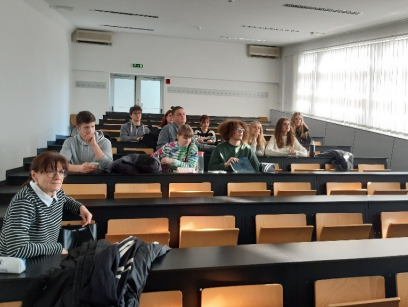
Choosing a future pathway can be challenging, especially when young people have limited insight into the wide range of careers in science, technology, engineering and mathematics (STEM). Interactive Career Talks were developed to broaden horizons through direct encounters with people working in STEM-related fields.

Across the ICSE Science Factory partner countries, schools, universities and local partners organised dialogue-based career activities that connected learners with researchers, engineers, innovators, entrepreneurs and other professionals. Rather than focusing on one-way presentations, the format created space for authentic exchange, personal questions and candid conversations about study choices, career journeys, everyday work and future opportunities.

What did the format look like?

Interactive Career Talks were delivered in different ways, tailored to the local context. Formats included school visits, career days, workplace-based encounters, public events and online sessions. In each case, the core idea remained the same: bringing young people into direct contact with inspiring STEM professionals and creating meaningful opportunities for dialogue.

Students were able to ask questions such as:

  • What does your daily work look like?
  • Why did you choose this path?
  • What challenges did you face?
  • What do you enjoy most about your job?
  • Which study routes can lead to this field?
  • How can STEM contribute to society?

Why does this matter?

Many young people know only a small number of STEM professions. Personal encounters with professionals can make new pathways visible, reduce uncertainty and challenge stereotypes about who belongs in science and technology.

This was particularly important for girls and young women. In many contexts, they still face limiting assumptions about STEM careers. For this reason, the project placed special emphasis on highlighting female role models and creating encouraging spaces where girls could see that STEM pathways are diverse, achievable and relevant to their futures.

What made the format successful?

Experiences across countries showed several recurring strengths:

  • authentic role models instead of abstract career descriptions
  • open dialogue instead of passive listening
  • visible links between school subjects and real-world applications
  • flexible formats adaptable to different schools and age groups
  • strong motivation through personal connection and relevance
  • inclusive perspectives that broaden participation in STEM

A format that can be adapted locally

Interactive Career Talks do not require complex infrastructure. They can be integrated into lessons, project weeks, school events, university outreach activities, or community partnerships. What matters most is thoughtful moderation, suitable speakers, and sufficient space for genuine interaction.

Interested in organising Interactive Career Talks?

We welcome enquiries from schools, teachers, universities, companies and organisations interested in bringing this format to their learners or in developing local partnerships.

Get in touch:
laura.wanckel@ph-freiburg.de

Local Partnership Conventions

Building lasting partnerships for Open Schooling

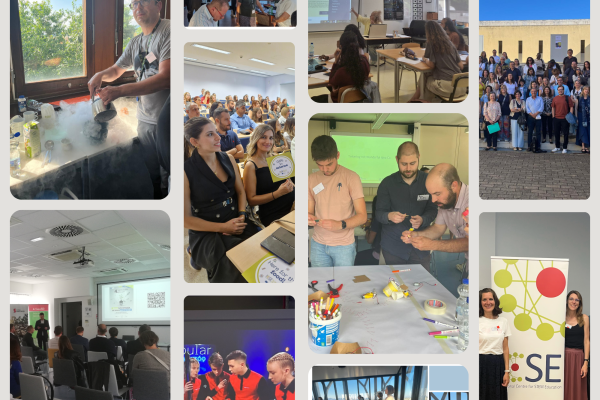
Throughout the ICSE Science Factory project, local partnership conventions were held in Croatia, Cyprus, Germany, Portugal and Türkiye. These events brought together schools, universities, companies, public institutions, NGOs, teachers, students and community partners to generate new ideas for STEM education and to strengthen collaboration across sectors.

Rather than one-off meetings, the conventions became spaces for exchange, co-creation and long-term networking. Participants shared expertise, discussed local needs, explored innovative teaching approaches and developed concrete ideas for cooperation linked to sustainability, digitalisation, health and future skills.

Across countries, the conventions supported the growth of local Open Schooling ecosystems and helped translate partnerships into action. Many activities, new collaborations and follow-up initiatives emerged from these encounters.

Interested in starting something similar?

The ICSE Science Factory project has ended, but its ideas and networks endure. If you are planning similar initiatives or would like to learn more about Open Schooling, mentoring approaches, or cross-sector partnership building in STEM education, please contact us: laura.wanckel@ph-freiburg.de


Croatia – Growing a strong regional STEM network

In Croatia, the local partnership conventions evolved into a dynamic platform that connects schools, universities, municipalities, companies, researchers and community organisations.

The first convention in Samobor laid the foundations for collaboration by identifying local needs and matching them with expertise from universities, innovation centres and educational partners. This led to early ideas for cooperation on topics such as technology, environmental challenges and teacher professional development.

Further conventions demonstrated how partnerships can expand across different contexts. On Dugi otok, collaboration was extended to more remote regions through place-based activities involving schools, community institutions and local organisations. In Samobor, a technology forum brought together teachers, scientists, start-ups and industry representatives to discuss student motivation, STEM careers and future skills.

The final convention at the University of Zagreb focused on sustainability and future collaboration. Teachers, researchers and university departments from multiple disciplines explored examples of Open Schooling, new project ideas and emerging topics, including AI in STEM education and machine learning in medicine.

Across all conventions, Croatia built a strong and diverse partnership network that continues to support schools, interdisciplinary learning and collaboration beyond the project’s lifetime.

Key Outcomes

  • Strong cooperation between schools, universities and external partners
  • New project ideas and continued Open Schooling activities
  • Expanded institutional engagement across disciplines and regions

Cyprus – Building bridges between education, science and society

In Cyprus, the local partnership conventions created a vibrant network linking schools, universities, public authorities, enterprises, teachers, students and families.

The first convention in Nicosia focused on opening schools to external partners and on exploring how education can better respond to future skills and evolving labour market needs. Representatives from schools, higher education, government, healthcare and industry came together to discuss new forms of collaboration and stronger links between learning and real life.

The second convention placed strong emphasis on STEM careers and community engagement. Young scientists shared their personal journeys and professional experiences, offering students and parents direct insight into academic and scientific pathways. The event also led to new collaborations with education providers and schools.

The final convention looked ahead to the future. Teachers, pre-service teachers and university staff reflected on project achievements, explored digital tools for science teaching and co-designed new Open Schooling ideas to address real-world challenges. Sustainability was a central theme, with participants discussing how cooperation among schools, universities and external partners can continue beyond the project.

Across all conventions, Cyprus developed a strong, forward-looking partnership culture that continues to support innovation, teacher learning and community-connected STEM education.

Key Outcomes

  • Stronger cooperation between schools, universities and external stakeholders
  • New partnerships and career inspiration for young people
  • Long-term commitment to future Open Schooling activities.

Germany – Connecting schools, research and community innovation

In Germany, the local partnership conventions became a meeting point for schools, universities, public institutions, companies, start-ups and civil society organisations working together to shape future-oriented STEM education.

The first convention in Freiburg brought together a highly diverse regional network and introduced the ICSE Science Factory approach. Participants shared expertise in areas such as sustainability, health, digitalisation, environmental education, entrepreneurship and career guidance, while exploring first ideas for joint activities and school partnerships.

The second convention focused on turning ideas into action. New cooperation partners presented creative learning formats, Open Schooling opportunities and innovative approaches combining science, technology, art and project-based learning. Schools also received practical guidance for implementing activities, participating in fairs and developing their own project ideas.

The final convention highlighted what had grown from the network. Teachers and students presented their own Open Schooling projects, researchers shared current scientific insights, and follow-up initiatives from Erasmus+, Interreg and Horizon Europe demonstrated the lasting legacy of the project. Discussions also explored how collaboration, teacher mobility and community partnerships can continue in the future.

Across all conventions, Germany built a strong regional ecosystem where research, education and practice came together to create meaningful learning opportunities beyond the classroom.

Key Outcomes

  • Strong regional network across education, science and practice
  • Student-led projects and innovative Open Schooling formats
  • New initiatives and partnerships continuing beyond the project

Portugal – Strengthening teacher networks for sustainable change

In Portugal, the local partnership conventions placed teachers and teacher education at the centre of efforts to build sustainable Open Schooling structures.

The first convention laid the foundations for a national network by bringing together teachers, local authorities, teacher training centres and community organisations. Participants explored the ICSE Science Factory approach, shared experiences and identified opportunities for future collaboration.

The second convention significantly expanded this network and showcased how project ideas had already been put into practice. Teachers presented Open Schooling and Lighthouse Activities developed through the project’s professional development programme, fostering a rich exchange of classroom experience, educational innovation and research-informed approaches.

The final convention focused on the future. Future and experienced teachers worked together to discuss the methodology and long-term value of Open Schooling. Participants identified potential new partner institutions and explored concrete sustainability pathways, including teacher education, communities of practice, and stronger cooperation between schools and local stakeholders.

Across all conventions, Portugal created a strong professional learning community that continues to support teachers, future teachers and innovative science education beyond the project’s lifetime.

Key Outcomes

  • Strong national network centred on teacher development
  • Successful transfer of project ideas into classroom practice
  • Sustainable continuation through teacher education and new partnerships.

Türkiye – Growing partnerships through participation and real-world learning

In Türkiye, the local partnership conventions evolved into an active platform for collaboration among schools, universities, public institutions, NGOs, companies and local communities.

The first convention introduced the Open Schooling concept through an interactive workshop at the STEM PD Conference. Participants explored how schools can work more closely with society, how partnerships can be built, and how real-world challenges can be integrated into learning.

The second convention in Ankara focused on sustainability and practical cooperation. Using the Pet Journey project as a case study, participants discussed how to create, support and sustain successful school-community partnerships over time. Topics included mentoring, innovation, environmental awareness and the role of local authorities and businesses.

The final convention, held after the local fair, brought together teachers, students and stakeholders. Participants reflected on the benefits and challenges of Open Schooling, shared project experiences and developed ideas to strengthen family engagement and deepen stakeholder involvement. The inclusion of students as active contributors marked an important step towards shared ownership and participatory learning.

Across all conventions, Türkiye built a strong multi-stakeholder network that continues to foster collaboration, innovation and community-based STEM learning.

Key Outcomes

  • Strong cooperation among education, public institutions and industry
  • Practical Open Schooling projects linked to real-life challenges
  • Increased participation by students, families and local communities.

A lasting network beyond the project

Across Europe, the local partnership conventions demonstrated how schools, universities, communities and external partners can collaborate to create meaningful STEM learning opportunities. Although the ICSE Science Factory project has come to an end, many of the connections, ideas and collaboration models developed through the conventions continue to inspire new initiatives.

If you are planning similar activities or would like to learn more about Open Schooling, mentoring, or partnership development, please contact us: laura.wanckel@ph-freiburg.de


Public Fairs

Local Fairs: Making Open Schooling visible

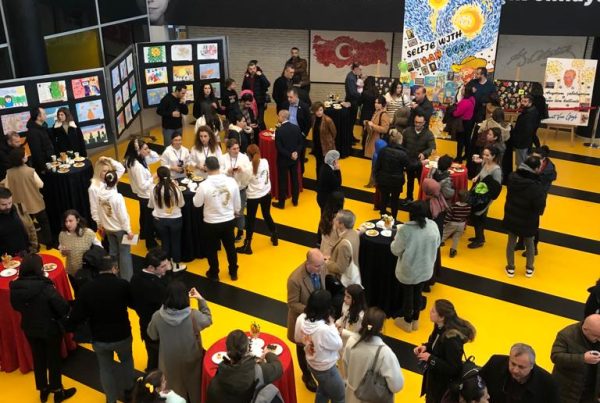
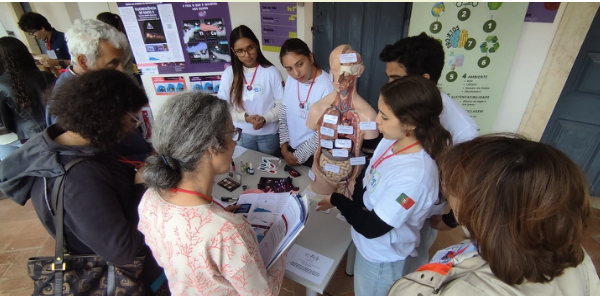
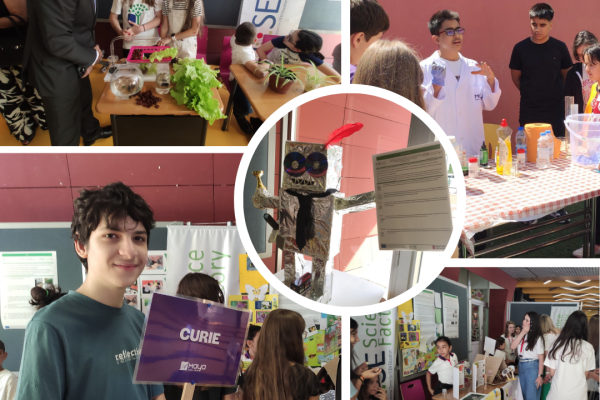
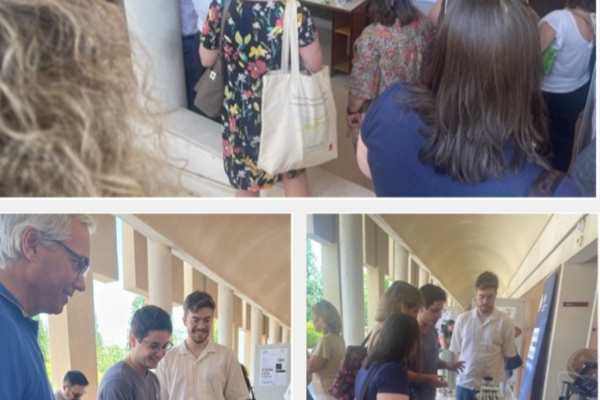
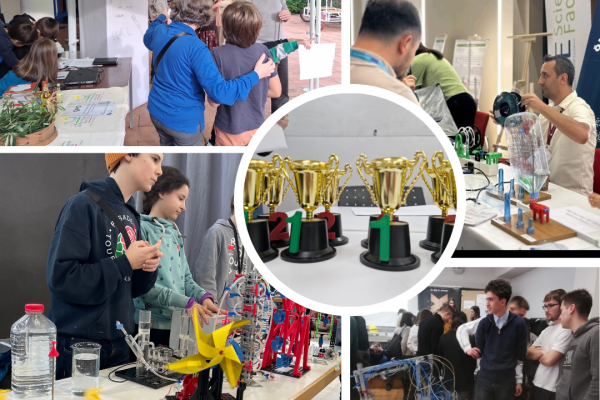
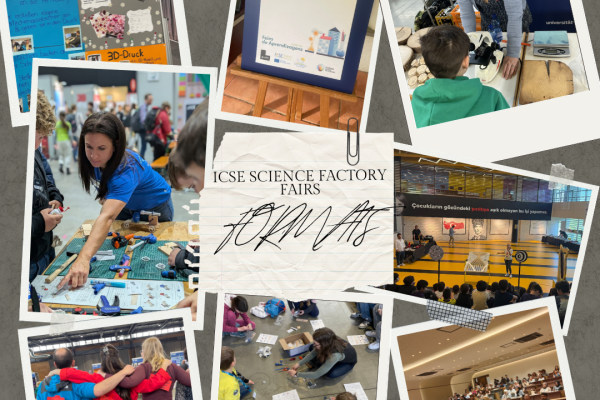
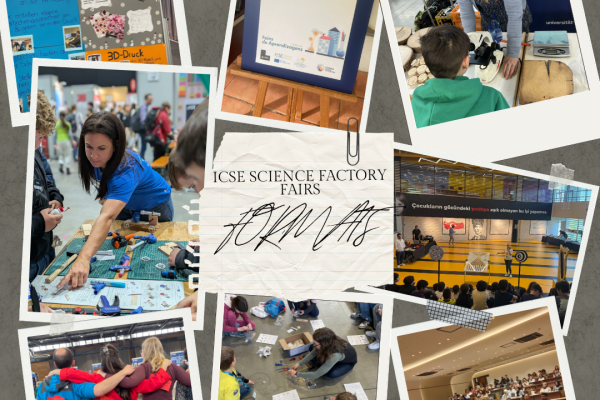
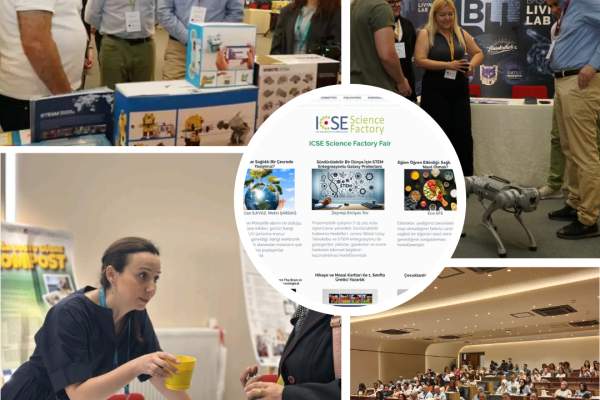
Across the ICSE Science Factory project, local fairs in Croatia, Cyprus, Germany, Portugal and Türkiye opened project work to wider audiences and created lively spaces for exchange among schools, universities, companies, community actors, families and the public.

These fairs showcased student projects, hands-on STEM activities, Lighthouse Activities and career-related formats in accessible, engaging ways. Some were organised as stand-alone events, while others were embedded within larger science festivals, conferences or public celebrations. In all cases, they helped make Open Schooling tangible and visible beyond the immediate project partnership.

The fairs highlighted how students can tackle real-world challenges, present their ideas publicly, and connect with researchers, educators, companies and community partners. They also strengthened local networks and created new opportunities for collaboration beyond the project’s lifetime.

Although the ICSE Science Factory project has ended, the ideas, materials and partnerships developed during these fairs continue to inspire new activities. If you are interested in similar approaches, please contact us: laura.wanckel@ph-freiburg.de

Croatia – Showcasing student projects and strengthening STEM connections

In Croatia, local fairs became an important platform for presenting Open Schooling projects and for connecting schools with universities, researchers and external partners.

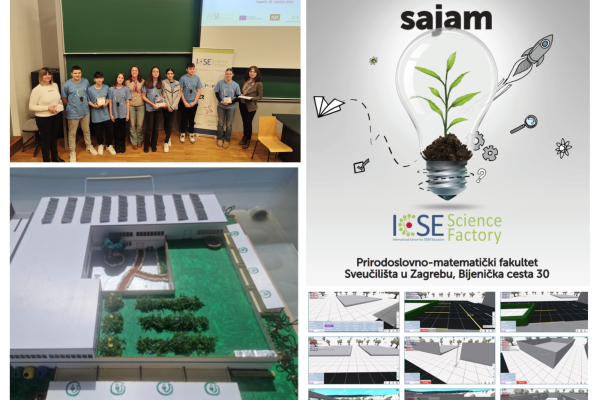
The first fair in Zagreb brought together student teams, teachers and project partners for a national showcase of STEM projects developed through the ICSE Science Factory. Presentations, posters, demonstrations and an award ceremony showcased a wide range of student work and highlighted themes such as sustainability, health and digitalisation. The involvement of the company VIDI added an industry perspective and underscored the value of business participation in STEM learning.

The second fair built on this foundation, combining student project presentations with scientific lectures and practical demonstrations. Teachers and students from schools across Croatia presented their work, while university experts delivered talks on topics such as climate change, robotics and astronomy. Participants also received smart plant toolkits linked to Lighthouse Activities, extending the fair’s impact beyond the event itself.

Across both fairs, Croatia created a strong public platform for student achievement, interdisciplinary STEM learning, and exchange between schools and scientific partners.

Key Outcomes

  • Public visibility for student-led Open Schooling projects
  • Strong links between schools, universities and external partners
  • Continued use of project materials and ideas beyond the fairs

Cyprus – Hands-on science for families, schools and future teachers

In Cyprus, the fairs created welcoming, highly interactive environments where students, parents, teachers, pre-service teachers and researchers could explore science together.

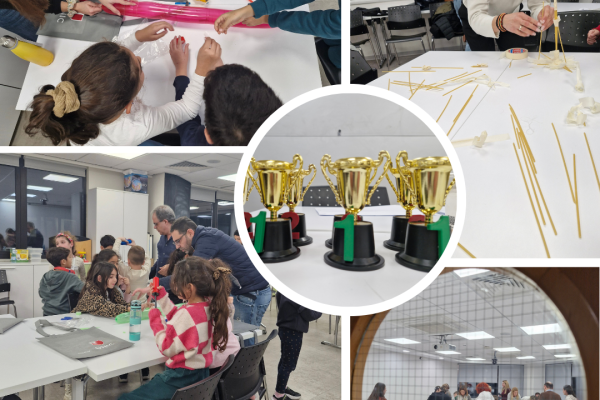
The first fair, held as a university open day, invited participants to rotate through hands-on STEM stations featuring rocket challenges, biology experiments, engineering tasks, 3D printing and activities that link science with creativity. The event fostered direct contact between families and scientists and demonstrated how engaging science learning can be when it is active, playful and connected to real research environments.

The second fair continued this approach in a more open exhibition format. Students presented Lighthouse Activities, while pre-service teachers designed and facilitated interactive learning stations. This created a valuable bridge between teacher education, school practice and community engagement. The fair also strengthened continuity across project activities, as students and educators from previous Open Schooling initiatives contributed to the event.

Across both fairs, Cyprus successfully connected university expertise, school learning and family participation, while strengthening the long-term visibility of Open Schooling in the local educational landscape.

Key Outcomes

  • Strong family and community engagement in STEM learning
  • Visible links between schools, teacher education and research
  • New opportunities for continued collaboration with schools and local programmes

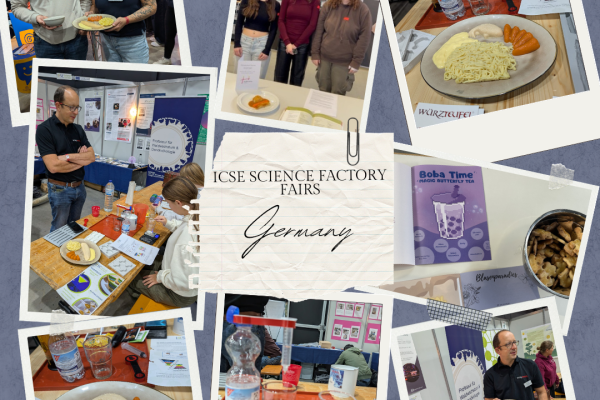
Germany – Bringing Open Schooling into major public STEM events

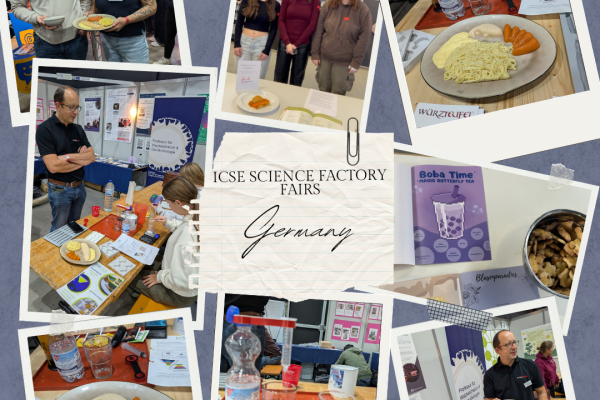
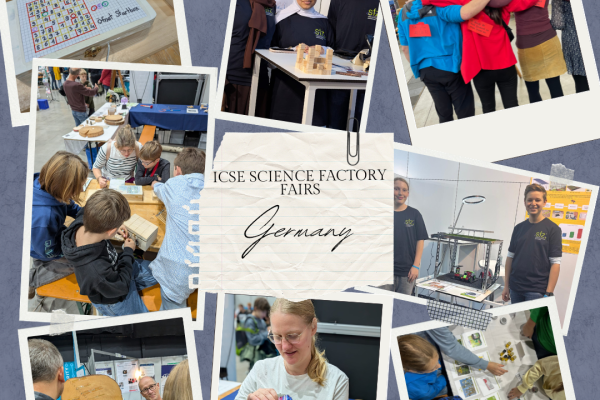
In Germany, the fairs showcased Open Schooling in highly visible public settings and linked student work to large regional science events.

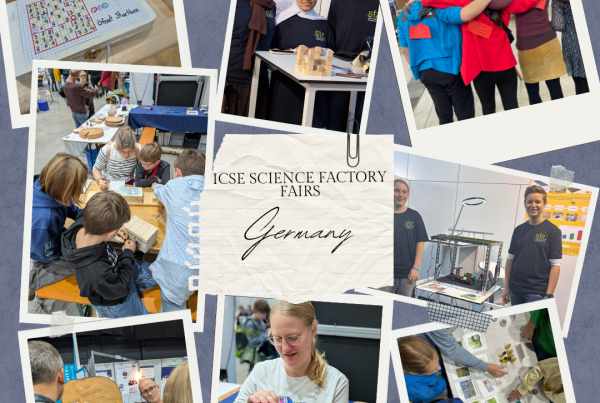
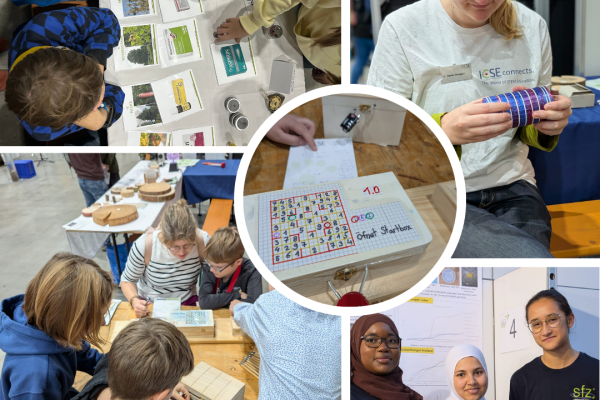
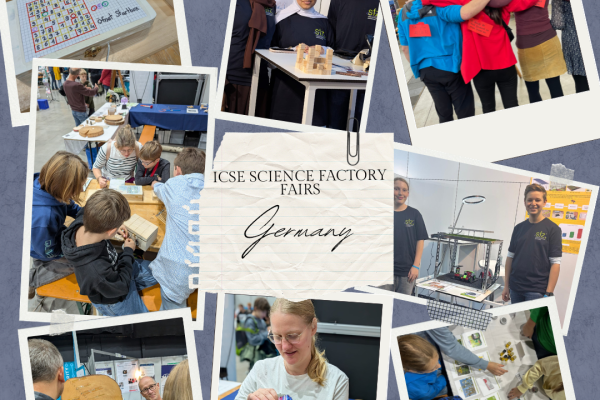
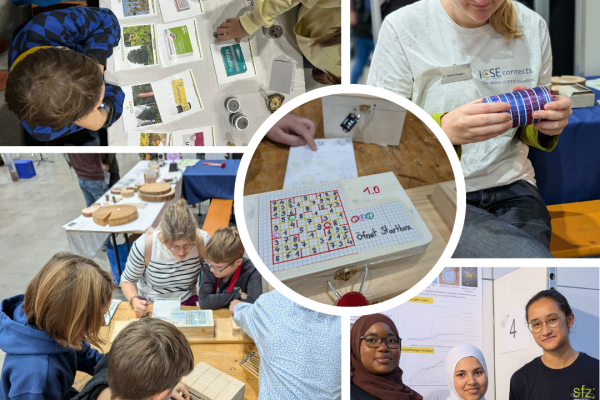
The first fair took place as part of the Jugend forscht competition in Freiburg. Under the motto Open Schooling meets STEM, students presented project outcomes through stands, prototypes, workshops and demonstrations. Visitors could explore topics ranging from mathematics and 3D printing to molecular gastronomy and environmental science. A Living Library format also opened up conversations about STEM careers and scientific work in an approachable and interactive way.

The second fair, embedded in the Science Days festival, reached an even broader audience over three days. Students presented a wide variety of Open Schooling projects, including work on forest pharmacy, climate change, food innovation, escape games and dysphagia-friendly cooking. Visitors could also take part in Lighthouse Activities, interactive games and hands-on research-based formats. Industry and associated partners contributed their own stands and activities, further broadening the range of experiences.

Across both fairs, Germany demonstrated how Open Schooling can thrive in large public environments and how student projects can gain visibility, recognition and new cooperation opportunities through participation in established regional STEM events.

Key Outcomes

  • High public visibility through major science events
  • Strong student ownership and presentation of project work
  • New connections with schools, universities, companies and external organisations

Portugal – Opening project work to the public through civic and educational events

In Portugal, the local fairs connected Open Schooling activities with wider public and professional audiences by embedding them within established civic and educational events.

The first fair was part of the International Educating City Day celebrations in Lisbon. It brought together project partners, teachers, companies and the general public in a shared exhibition and workshop space. Visitors explored themes such as thermal efficiency, olive trees, city lighting and 3D printing, while students and teachers presented work developed through Open Schooling activities. Inovlabs’ participation, including a solar car demonstration, added an innovation and mobility perspective.

The second fair took place within the III National STEM Education Conference at IE-ULisboa. This created a strong professional context in which student work and Open Schooling projects could be presented to teachers, researchers, families and other visitors. Posters, prototypes and project displays made the outcomes of the activities visible, while the conference setting increased the reach and relevance of the fair.

Across both fairs, Portugal demonstrated how Open Schooling can be shared effectively through large public and professional events, creating visibility for student work and strengthening links between schools, higher education and community partners.

Key Outcomes

  • Strong public and professional visibility for Open Schooling projects
  • Meaningful exchange between students, teachers, researchers and visitors
  • New opportunities for future cooperation with schools and external partners.

Türkiye – Connecting Open Schooling with conferences, communities and innovation

In Türkiye, the local fairs evolved into dynamic meeting points where schools, universities, companies, NGOs, researchers and the public could engage with Open Schooling in varied and interactive ways.

The first fair was integrated into the International STEM Education Conference, combining conference presentations, exhibition stands, Lighthouse workshops and career-related activities. Open Schooling projects were showcased through posters and displays, while researchers, entrepreneurs and education stakeholders exchanged ideas in a highly visible conference setting. The fair also received extensive media coverage, further amplifying its reach.

The second fair in Ankara was organised as a stand-alone event with a clearer, project-specific structure. It featured poster presentations of Open Schooling projects, workshop-style Lighthouse Activities, company and NGO stands, and a reflective convention meeting with students and teachers. This format placed student and teacher voices at the centre and encouraged direct dialogue with external stakeholders from education, civil society and industry.

Across both fairs, Türkiye created a strong platform for exchange, participation and partnership development. The fairs not only showcased project results but also generated concrete opportunities for future cooperation, mentoring and resource development.

Key Outcomes

  • Strong visibility for Open Schooling in both conference and stand-alone formats
  • Active involvement of students, teachers, companies, NGOs and researchers
  • New cooperation opportunities linked to mentoring, resources and future activities.

Beyond the project

The fairs demonstrated how Open Schooling can come alive in public spaces: through student presentations, hands-on activities, dialogue with experts and cross-sector collaboration. Although the ICSE Science Factory project has ended, many of the ideas, materials and partnerships developed through these events continue to inspire new initiatives in STEM education.

If you are planning similar activities or would like to learn more about Open Schooling, mentoring, or partnership development, please contact us: laura.wanckel@ph-freiburg.de

Key Components of Our Community of Practice

  1. Shared Identity and Contribution: Our CoP is more than just a network; it’s a collective of motivated individuals actively participating and shaping a shared identity through various practices. This includes our lighthouse initiatives, supported open schooling activities, interactive career talks, and local fairs.
  2. Common Knowledge Domain: We revolve around a mutual understanding and passion for science and its societal implications. This common ground motivates and guides our member’s active participation and learning.
  3. Unified Practices: Our CoP’s strength lies in our shared activities that promote lifelong learning, real-world problem-solving, and sharing of research findings and community solutions.
  4. Learning and Development: At its core, our CoP encourages members to learn from each other. This mutual growth is fostered by sharing experiences and information, especially during our conventions and fairs.
  5. Positive Atmosphere and Conduct: Our CoP thrives on a culture of openness, emphasizing open science, nurturing partnerships, advocating for gender equality, and addressing global challenges such as health, digital transformation, and environmental sustainability.
  6. Inclusive and Expansive Exchange: While our CoP values its internal reservoir of knowledge, we believe in the benefits of looking beyond our immediate community. This openness is evident in our local fairs and the European project conferences.
  7. Diverse Participation Levels: We recognize and value the different levels of involvement.

For our local partnerships within the CoP framework to truly thrive, we commit to maintaining a welcoming, transparent, and constructive work atmosphere. Regular checks and evaluations of our modus operandi ensure that we continually meet the needs of every member.

Taking CoP Beyond Borders: In our endeavor to embed CoP practices across Europe, we have curated two distinct event types catering to varied target groups, all designed to facilitate enhanced networking and knowledge dissemination.

About the ICSE Science Factory

Open Schooling and Citizen Science

The ICSE Science Factory project, funded by the European Union, is a comprehensive initiative aimed at addressing the shortfall of scientists and citizens versed in science within the European Union. The project leverages a unique combination of measures, each addressing the issue from a different perspective, thereby maximising its impact.

The project is characterised by the formation of high-capacity cross-sectoral partnerships in five different partner countries: Germany, Portugal, Croatia, Cyprus, and Türkiye. These partnerships consist of science researchers, science education researchers, and non-formal education providers, supported by schools, enterprises, and community institutions.

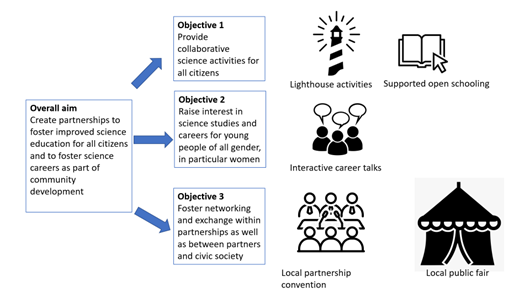
The project’s overall aim is to foster improved science education for all citizens by creating new networks in local communities between teachers, students, scientists, researchers, innovators, and professionals in enterprises. These Communities of Practice (CoPs) engage learners in real-life problem-solving situations within education, the workplace, and other learning environments, contributing to a lifelong learning continuum and raising interest in science studies and careers, particularly among women.

The project’s innovative approach aims to increase the number of scientists and the level of scientific knowledge within communities. This is achieved by strengthening the partnerships through local conventions, where research findings are shared and applied, and local public fairs to integrate communities into the scientific learning process.

Objectives: Addressing the shortfall of scientists and citizens versed in science within the European Union

The ICSE Science Factory project focuses on three key objectives:

  1. Providing collaborative science learning opportunities for all citizens on a local level that demonstrate the relevance of science for real-life challenges and contribute to a lifelong learning continuum.
  2. Raising the interest in science studies and science careers among young people, with a particular focus on girls and women.
  3. Fostering networking and the sharing and applying of research findings amongst various stakeholders to create, circulate, and use science for societal benefit.

The ICSE Science Factory project is a unique initiative that combines a unified European vision with a deep understanding of local community needs. It draws upon the collective expertise of a diverse consortium, creating activities that are both globally informed and locally relevant. The project’s focus areas include sustainability, digitalisation, and health – all critical, socially relevant issues. By addressing these real-world challenges, the project demonstrates the practical importance of science, making it accessible and engaging for all citizens.

Through different project formats, like workshops, open schooling projects, interactive career talks, conventions, fairs and mentoring, the ICSE Science Factory project aims to enhance scientific literacy and stimulate interest in science studies and careers. It’s not just about teaching science, but about showing how science can be used to understand and solve the problems we face in our daily lives.

The open schooling activities, for example, are a key part of the project’s educational concept, with schools being encouraged to run these activities with the support of mentors from local partnerships, including enterprises or community members versed in science. These mentors use their expertise to guide teachers, students, and external participants through their open schooling projects.

The project’s results are significant and are expected to contribute substantially to tackling the identified problems and needs in several ways:

  1. Increasing Scientific Literacy and Interest: By providing collaborative science learning opportunities for all citizens on a local level, the project aims to show the relevance of science for real-life challenges and add to a lifelong learning continuum. This approach is expected to increase scientific literacy among citizens and foster a greater interest in science studies and careers.


  1. Promoting Science Careers: The project aims to raise the interest in science studies and science careers among young people, with a particular focus on girls and women. By organizing interactive career talks where role models present their science careers, the project hopes to inspire more young people to consider a career in science.


  1. Fostering Networking and Collaboration: The project seeks to foster networking and the sharing and applying of research findings amongst teachers, researchers, and professionals across different enterprises as well as local communities. This is expected to lead to the creation of new partnerships that can contribute to improved science education and the use of scientific knowledge for societal benefit.


  1. Addressing Real-Life Problems: The project’s focus on real-life problem-solving and challenge-driven innovation processes is expected to help participants understand the relevance of science in addressing societal challenges. This approach not only enhances learning but also contributes to the development of solutions to real-world problems.


The ICSE Science Factory project made a significant contribution to science education and the promotion of science as a valuable tool for societal problem-solving. The project’s impacts are substantial, contributing to the EU’s efforts to combat a shortfall of scientists and citizens versed in science, and fostering a lifelong learning continuum for all citizens. The project’s focus on community involvement and real-life problem-solving also ensures that scientific knowledge is not just created and circulated, but also used for the benefit of society. This approach is particularly relevant in the context of the previous pandemic, which has underscored the importance of scientific literacy and the role of science in addressing societal challenges.
 

Activities

ICSE Science Factory initiates activities on a threefold geographical structure:

Community: In all 5 countries of the consortium (Germany, Croatia, Cyprus, Portugal, and Türkiye), regional open schooling projects are initiated within communities (with schools as hubs).

Regional level: At the regional/national level in our partner countries, all Open Schooling communities from one region are interlinked. This is achieved through regional conventions and fairs, where experiences and examples of successful “Open Schooling” are shared. ICSE Science Factory fairs in each region maximise impact and strengthen regional efficacy.

European level: ICSE Science Factory  ‘creates the bigger picture’ by establishing Communities of Practice at the European level. A final ICSE Science Conference connects all project activities across Europe to a vibrant science-learning network that opens up for further countries and communities.

ICSE Science Factory Consortium

CROATIA

ICSE Science Factory Croatian National website:

https://sciencefactory.math.hr/


The Faculty of Science, University of Zagreb

The Faculty of Science, University of Zagreb is one of the leading scientific institutions in Croatia. It consists of 7 departments and also comprises a botanical garden, a seismographic service, and a mareographic station. It employs around 500 scientists and lectures, and leads or participates in about 150 scientific and professional projects. Scientific research is carried out within mathematics and natural sciences, interdisciplinary areas of science and educational research, accounting for about 20% of the total scientific production of the University of Zagreb. Faculty organizes many workshops and conferences with an aim to improve the collaboration between international and local scientists, as well as to increase the popularization of science.

Faculty of Electrical Engineering and Computing (FER), University of Zagreb

The Faculty of Electrical Engineering and Computing (FER) is the largest technical faculty and a leading educational and research institution in the fields of electrical engineering, computing, and information and communication technology in the Republic of Croatia. The current research and teaching staff consist of 198 professors and 338 teaching and research assistants, as well as about 3500 undergraduate and graduate students and 390 postgraduate students. FER is involved in around 200 projects funded by the EU or at a national level. In the last 5 years, FER has participated in many projects financed by different funding programs: HORIZON 2020 (49 projects), HORIZON EUROPE (11 projects), BILATERAL (50 projects), COST ACTIONS (35 projects), ERASMUS+ (23 projects), INTERREG, European Regional Development Fund, European Social Fund, Croatian Science Foundation (180 projects) and other.

Croatian Mathematical Society

The Croatian Mathematical Society is a professional association of mathematicians in the Republic of Croatia whose goal is the improvement and promotion of mathematical science, the teaching of mathematics at all levels, the application of mathematics in other disciplines, as well as the improvement of the social position of mathematicians as a whole. Through 5 sections, youth and associations that are collective members, the Croatian Mathematical Society gathers scientists, primary and secondary school teachers, teachers of higher education institutions, employees of various companies, students and pupils. Through its activities, the Croatian Mathematical Society works to ensure that Croatia is included in the latest trends in mathematical sciences.

CYPRUS

ICSE Science Factory Cyprus National website:

https://icsecy.wordpress.com/


The University of Nicosia

The University of Nicosia (UNIC) is an independent, co-educational, equal-opportunity institution of higher education, which offers a wide range of programmes to students from around the world. UNIC participates in the project through the InSSTER (Innovative Science Society Technology and Education Research) Center of the Department of Education. InSSTER has extensive research experience on issues related to integrated STEM education and interdisciplinarity, sustainability, environmental socio-scientific issues, teacher training, and the development of teacher training materials with an emphasis on primary, pre-primary, and secondary school teachers. UNIC oversees the evaluation work package in the context of ICSE Factory.

The Cyprus Pedagogical Institute

The Cyprus Pedagogical Institute was founded in 1972 aiming at becoming a center where the teaching profession undertakes a reflective stance as regards teaching and learning and follows cooperative and inquiry-based models of professional learning. It is a Directorate of the Ministry of Education, Sports and Youth, and reports directly to the Permanent Secretary of the Ministry. The vision of the Cyprus Pedagogical Institute is the continuous professional learning of the teachers at all levels as well as the substantial contribution to the planning and implementation of educational policy, taking into consideration research results and the priorities set by the Ministry, in order to improve the quality of the educational system. The Pedagogical Institute participates in European Research Programs such as ICSE Factory. Through its participation, the CPI promotes reflective interaction and exchange of experience and expertise between teachers on open-schooling and problem-solving approaches in STEM education.

GERMANY

ICSE Science Factory German national website: 


ICSE, University of Education Freiburg

The University of Education Freiburg is the hub for teacher education and educational science in southwestern Germany. It is represented by the highly qualified team of the International Centre for STEM Education (ICSE) and holds a key role in managing the ICSE Science Factory. The innovative and successful approach to reform day-to-day schooling through cutting-edge research has shone a spotlight on ICSE and therefore the ICSE Science Factory, creating a national and international network of the industry- and business partners in the endeavor. The cooperation of these influential partners with Higher Education Institutions and schools enables the ICSE Science Factory to fulfill its full potential in integrating communal problem-solving approaches in school curricula.

Schülerforschungszentrum Südwürttemberg (SFZ) e.V.

With an excellent STEM offer, we want to inspire young people and show them perspectives for the future. The Schülerforschungszentrum (SFZ) Südwürttemberg e.V. continues where school inevitably has to stop. Children and young people whose interest in mathematics, computer science, natural sciences, and technology (STEM subjects) goes beyond regular school material can research, develop, and invent at the “SFZ” in their free time – just as others learn a musical instrument or practice any kind of sport. They present their research results at approximately 40 national and international competitions and trade fairs. Around 740 students from all types of schools conduct research at nine “SFZ” locations, supervised by approximately 60 teachers, 50 volunteers, and a few students. The mission of the non-profit association is to be a research center for all students out of the region of South Württemberg, where young STEM talents are encouraged and inspired at a high level.  In addition, the “SFZ” is a recognized institution where teachers develop high-quality teaching and learning materials for the STEM sector.

Chair of Forest Growth and Dendroecology, University of Freiburg

The Chair of Forest Growth and Dendroecology is a research institution at the University of Freiburg, Germany. In our daily work, we investigate growth processes and basic principles for sustainable production of renewable resources in various tree-dominated land use systems. We develop methods for the quantitative assessment, analysis, and prediction of tree growth from cell to stand scale. Further research focus areas are dendroclimatology and dendrochronology. Besides we are training students in forest sciences and environmental sciences at university.

Within the ICSE Science Factory, we provide different types of workshops related to forests and we would like to support teachers to implement their own project ideas concerning forests or nature.

PORTUGAL

ICSE Science Factory Portuguese national website: 


The Instituto de Educação (IE)

The Instituto de Educação (IE) is the institution of the Universidade de Lisboa committed to research, training, and public intervention in Education and Training. Over the past years, it has been distinguished as a leading institution in the domain of Education in Portugal. IE provides training activities in undergraduate (bachelor) and graduate (specialization, master’s, and doctorate) programmes in different fields of Education and Training. IE provides advisory and training services to educational organizations and scientific and technical support for the design, monitoring, and evaluation of public policies, in Portugal and in Portuguese-speaking countries. UIDEF is the research unit of the IE-ULisboa. UIDEF has a strong team of researchers, including members from other higher education institutions, and maintains close partnerships with several national and international partners, attracting a significant number of international students for doctoral studies and post-doctoral programs. UIDEF research is carried out within the framework of the two programmes: Education XXI and Change Forces in Education. The disciplinary-based organization of UIDEF combines the two programmes in order to better face the complexity of current educational phenomena, which require multi-, inter-, and transdisciplinary approaches, as well as to strengthen the focus and quality of its research, and to provide more accurate contributions to foster knowledge-based change and innovation in education.

High Institute of Engineering of Lisbon (ISEL)

The High Institute of Engineering of Lisbon (ISEL) is one of the oldest Portuguese engineering schools, established in 1852. ISEL provides academic and professional training comprising sound scientific and innovative content with a professional focus to meet both the needs of the labor market and the expectations of employability of graduates. With over 4,000 students, the institute offers 22 undergraduate and master’s engineering programs, postgraduate courses, and an array of lifelong learning programs for professionals in the field. ISEL holds a pivotal position in Portugal’s scientific and technological research domain, engaging in numerous national and international research projects, financed through competitive grants and industry support.

Lisbon Municipality 

Lisbon municipality is a European capital, the main Portuguese city and center of international experimentation, with the responsibility, capacity, and ambition to reinforce its global leadership in climate policy, side by side with the 100 cities that have joined the “Mission of the EU for smart, climate-neutral cities by 2030″, jointly committed to the objective of carbon neutrality by 2030.  Lisbon is committed, together with its citizens, employees, residents, students, tourists, and visitors, to implementing a new Climate City Contract, more ambitious, in terms of Action, Investment, Commitment, and Involvement. For this purpose, Lisbon becomes co-responsible for implementing additional actions and measures to reinforce mitigation, adaptation, and transversal interventions that respond to the current and future challenges of the city and the world, highlighting the importance given to the dimensions of learning, training, information, and communication as key actions in this process, which require the involvement of existing non-formal learning reference structures, in addition to the school network (public and private), aimed at different target audiences.

TÜRKIYE

ICSE Science Factory Turkish national website: 


HACETTEPE UNIVERSITY

Hacettepe University is one of the largest universities in Türkiye. The Faculty of Education bundles highly qualified staff, international cooperation, openness, extensive STEM experience, and a broad network of different (STEM) stakeholders, all whilst being one of the founding members of ICSE. With the implementation of the new Turkish Science Curriculum, the university was able to establish a system where the different achievement levels and the social and emotional skills of students are considered whilst teaching. In the context of the ICSE Science Factory, Hacettepe University oversees the communication, dissemination, and exploitation of all activities, due to a high level of expertise and success in this area.

Teachers First Foundation (ÖÖV)

Teachers First Foundation (ÖÖV) is a dynamic non-profit organization dedicated to prioritizing and elevating the well-being of educators. ÖÖV’s core mission revolves around providing targeted teacher training and fostering a robust network for teachers and educational leaders, both within Türkiye and internationally. In line with its commitment to well-rounded professional development, ÖÖV focuses on three key areas within the Euro-framework: digital transformation, inclusivity, and sustainability. They empower teachers to effectively integrate digital tools, advocate for inclusive education, and cultivate a self-sustaining educational model that transcends generations. ÖÖV’s impact extends across various age groups, from early childhood educators to school administrators, education professionals, and ultimately, students of all ages. Their visionary approach emphasizes the transformation of teachers not only as educators but as individuals, shaping the future of education through empowerment, collaboration, and well-being. Join ÖÖV in its mission to promote teacher well-being, foster meaningful connections, and drive innovation in education both locally and globally.
Evaluation

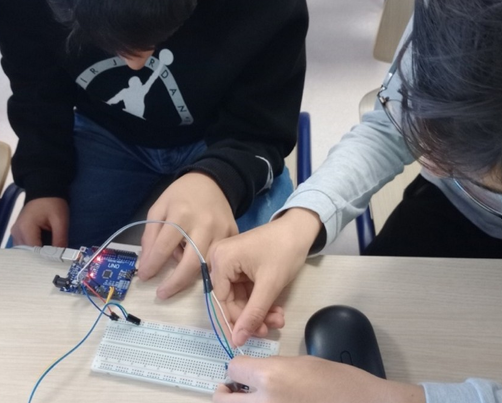
The evaluation concept of the ICSE Factory project is designed to see to what extent the project has reached its objectives: to foster improved science education for all citizens by creating new partnerships in local communities, such as between teachers, students, scientists, researchers, innovators, and professionals in enterprises.
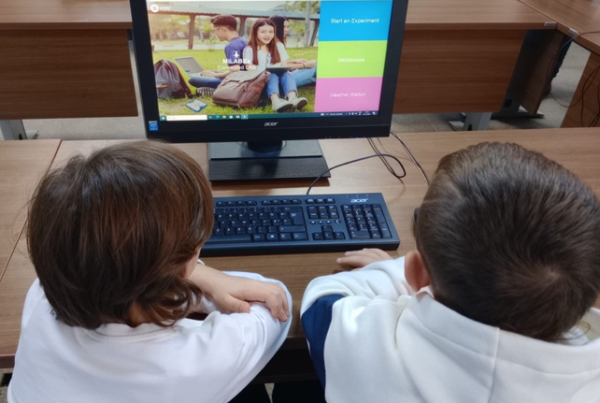
The project evaluation has a twofold purpose: on one hand it is intended to measure the project’s short-term impact in terms of the promotion of science literacy, perceived relevance and positive attitudes towards science and scientific careers, as well as increased sustainability awareness and individual capacity to act on environmental issues. On the other hand, it should provide a collection of multiple case studies from five European countries, illustrating how open schooling activities may be articulated to adapt to different regional contexts, as well as barriers and supportive aspects for their successful and productive implementation.

Due to the scope and ambition of the evaluation concept, a mix methods approach is used, combining quantitative and qualitative methods. To this end, specific questionnaires were developed for the main target groups (students, teachers, scientists, parents, people from the industry) and a template for regional case studies focusing on the key concept behind the ICSE Factory project: the development of open schooling activities as means to connect school and communities and to provide more authentic, relevant and meaningful STEM education.

Key Data

Program: Horizon Europe

Topic: HORIZON-WIDERA-2022-ERA-01-70 – Open schooling for science education and a learning continuum for all

Type of Action: Horizon CSA (Coordination and support actions)

Duration: 38 months (January 2023 – February 2026)

Project Number: 101093387

Resources

This section offers a wealth of resources tailored for teachers, citizens, policy makers, researchers, and anyone interested in our project’s various components.

  • Teachers: Discover best practices for Open Schooling Activities, providing inspiration and valuable guidance for implementing these initiatives.
  • Citizens: Learn about our engaging workshops, specifically the Lighthouse Activities, which are designed to foster community involvement.
  • Policy Makers: Explore our Policy Brief to understand the benefits our project brings to national and local communities.
  • Researchers: Review our Evaluation Plan to gain insights into effective evaluation methods for educational formats.
  • General Interest: Browse through our communication and dissemination resources for inspiration and a broader understanding of our efforts.

Feel free to explore these resources to see what we offer and what we have accomplished.

If you are planning similar activities or would like to learn more about Open Schooling, mentoring, or partnership development, please contact us: laura.wanckel@ph-freiburg.de

Information for Teachers and anyone interested in Open Schooling

Best Practice of Lighthouse Activities

D2.2. Best Practice Examples of Lighthouse Activities

Service Package for Open Schooling for Schools

D2.3. Service Package for Open Schooling for Schools

MENTORING ACROSS THE PARTNERSHIP

D3.2. HOW TO ENCOURAGE MENTORING ACROSS THE PARTNERSHIP

BEST PRACTICE OF INTERACTIVE CAREER TALKS

D3.1 BEST PRACTICE EXAMPLES OF INTERACTIVE CAREER TALKS

Concept of Lighthouse Activities

T2.3. Concept of Lighthouse Activities

Examples of Lighthouse Activities

D2.1. Best Practice of Lighthouse Activities

Open Schooling

T2.3. The Notion of Open Schooling

Guidelines for career talks 

Interactive Career Talk

Service Package for schools to run Open Schooling Activities


5 Tips to WIN schools & SUPPORT schools

Lighthouse Activities 5 Tips for Success


5 Tips for Success & for Partner

How to Inspire Students with Your Story


8 Tips for an Interactive Career Talk in school

If you are looking for more Open Schooling materials, like a practical manual with a step-by-step guide, visit the resource site of our previous Open Schooling project MOST: 

Information for Policy Makers

Information for Researchers

Policy Brief II

D4.2 Advancing Open Schooling Ecosystems in Europe

Policy Brief

D4.1. Creating new partnerships in local communities

Local Fairs Across Europe


D4.3 Report on Local Fairs Across Europe

EVALUATION REPORT

D5.2. EVALUATION REPORT

Evaluation Protocol

D5.1. Evaluation protocol and instruments

Data Management Plan


WP1 Management: Data Management Plan

More Information

CDE Plan

D6.1. Communication, Dissemination and Exploitation Plan

EU Conference

WP6. European ICSE Science Factory Conference

CDE Activities

D6.2. Communication, Dissemination and Exploitation Activities

Open Schooling Activities


ICSE Science Factory: Open Schooling Activities

The creation of these resources was funded with the support of the Horizon Europe programme of the European Union under grant no. 101093387. Views and opinions expressed are, however, those of the author(s) only and do not necessarily reflect those of the European Union or the Agency. Neither the European Union nor the granting authority can be held responsible for them.

CC-BY-NC-SA 4.0 license is granted for all our materials. Please feel free to use and adapt them for non-commercial purposes. Make sure to give attribution to the original materials as well as for the adapted ones. Find explicit terms of use for CC-BY-NC-SA 4.0 at: https://creativecommons.org/licenses/by-nc-sa/4.0/deed.en

Do you have any questions?

LET'S GET IN TOUCH!

E-MailInstagramLinkedInFacebook